Resilient Metabolism

Exploring Equitable Urban Renewal Pathways with Multi-Objective Optimization Framework
What makes an urban renewal pathway equitable and resilient?
What makes an urban renewal pathway ideal—both in lived quality and in measurable performance? In Taiwan, where seismic risk makes renewal unavoidable, redevelopment is not only an engineering or real estate problem; it is a value-allocation system that reshapes affordability, public benefit, and community continuity. Yet the dominant renewal model provides limited means to compare alternatives or to substantiate “idealness” beyond narrow notions of feasibility.
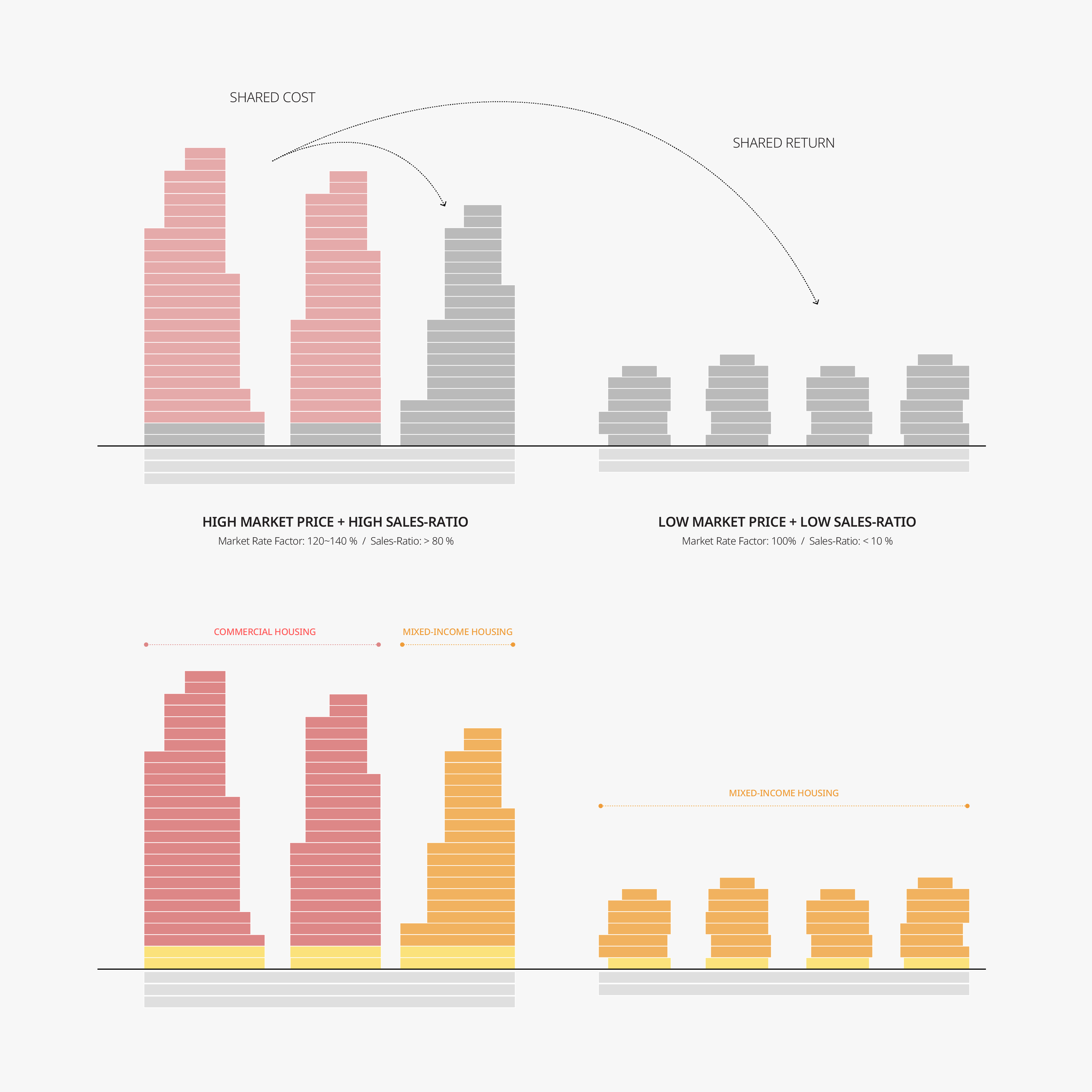
This thesis develops a multi-objective optimization framework to support early-stage renewal decision-making. Built on deterministic models calibrated from built-project reports and geospatial datasets, the system operationalizes spatial, financial, and planning metrics and applies the evolutionary algorithm NSGA-II to optimize sets of renewal strategies. Rather than outputting a single “optimal” plan, the research develops a structured framework of trade-offs and a shared evaluation space for testing and comparing candidate alternative models.
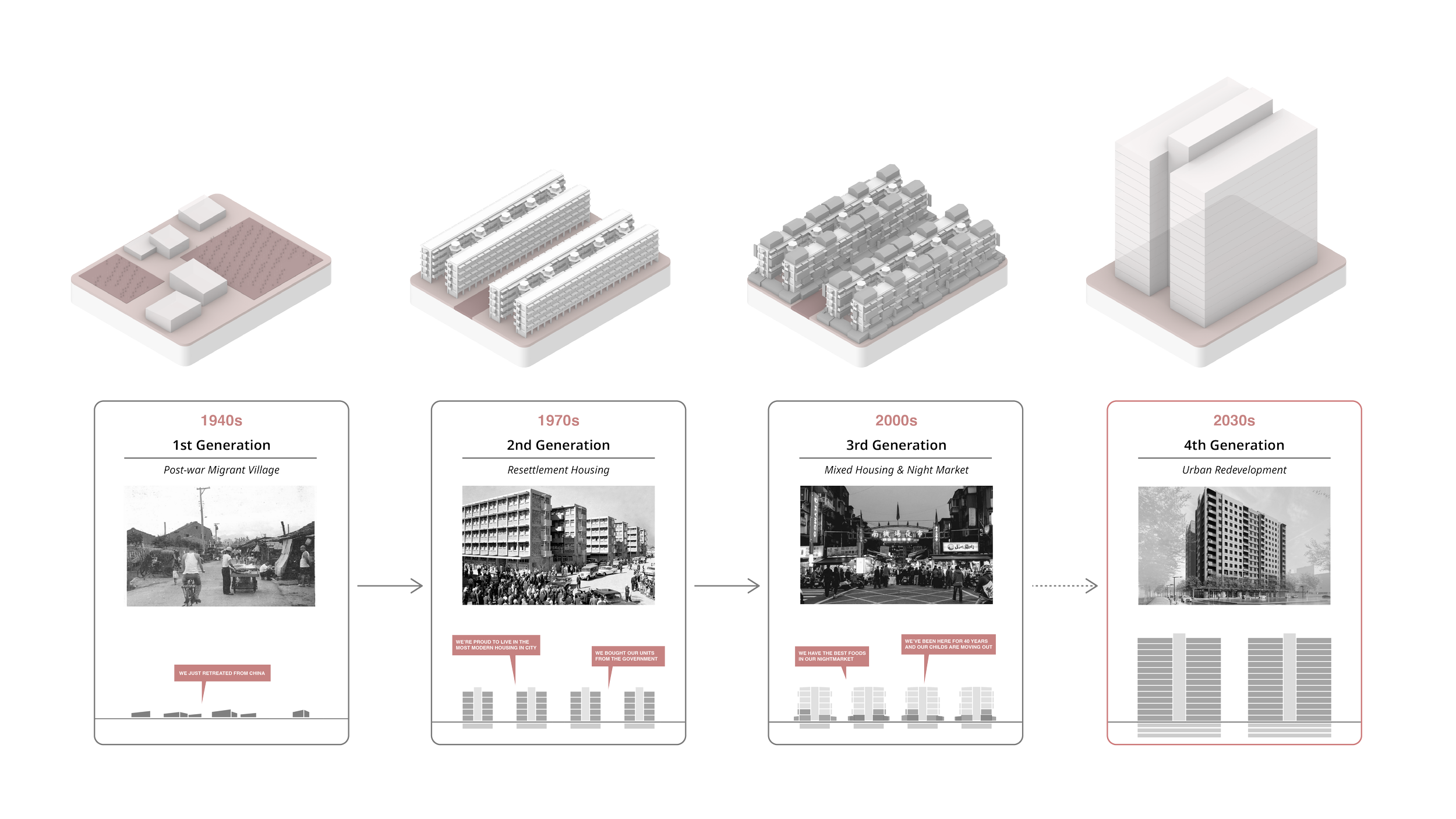
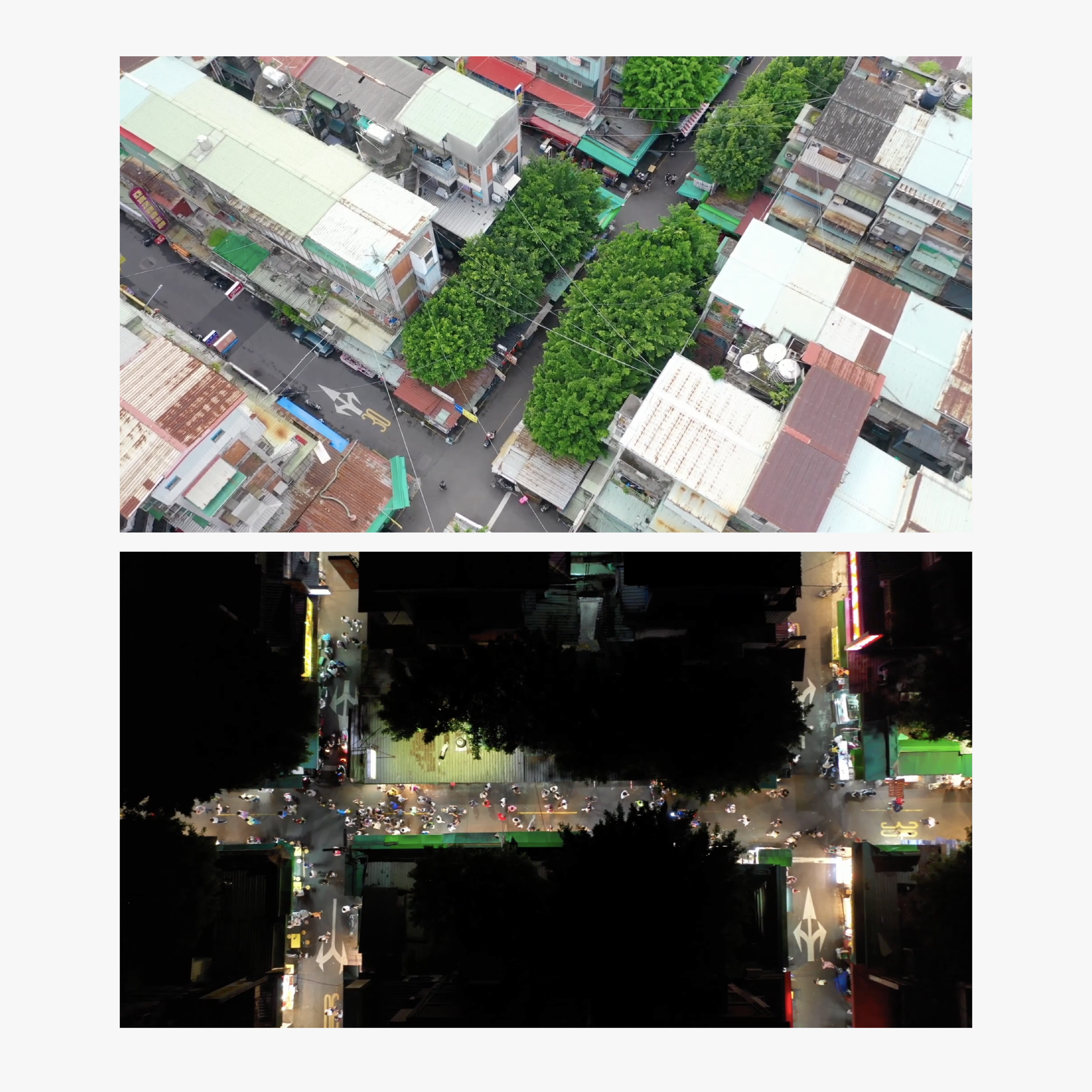
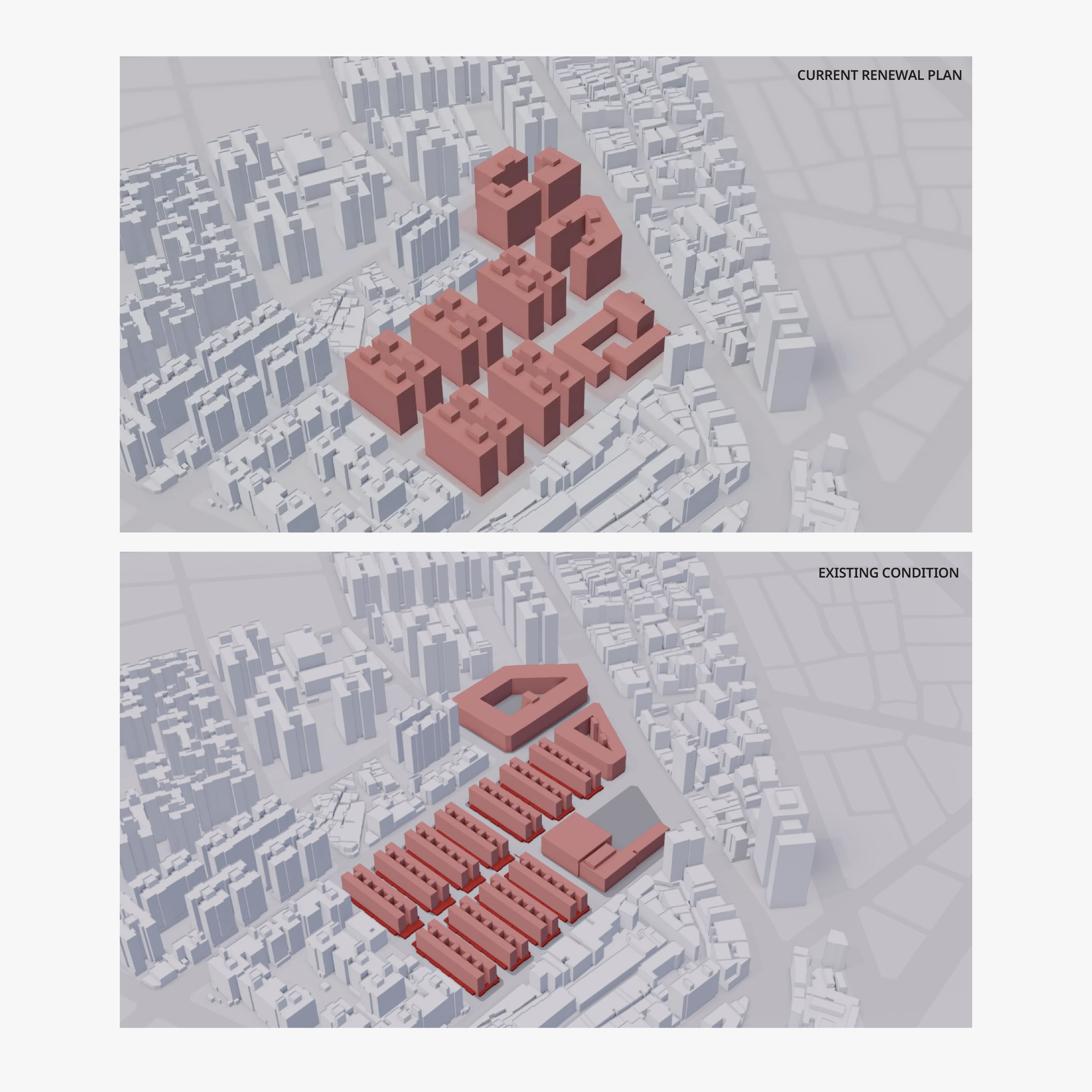
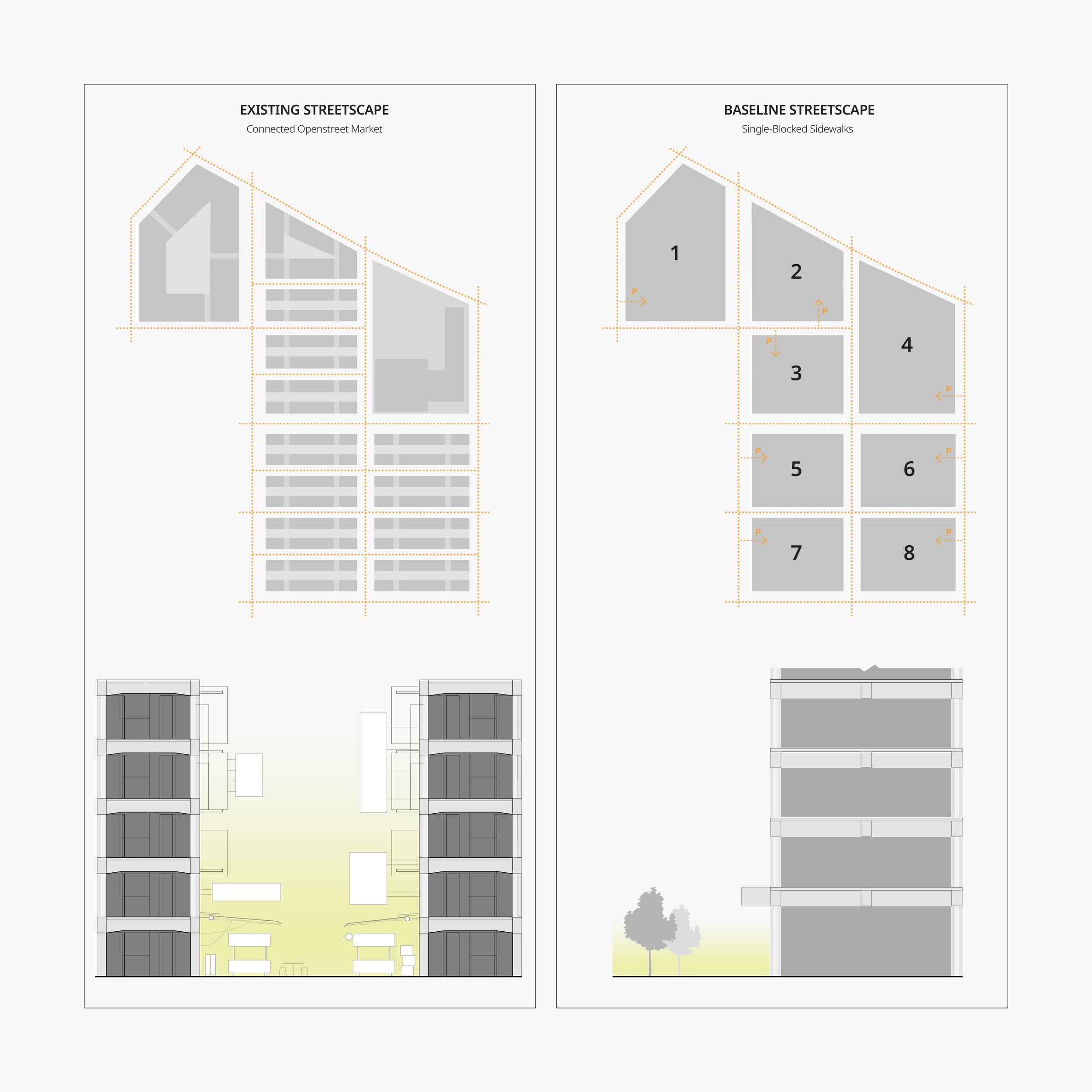
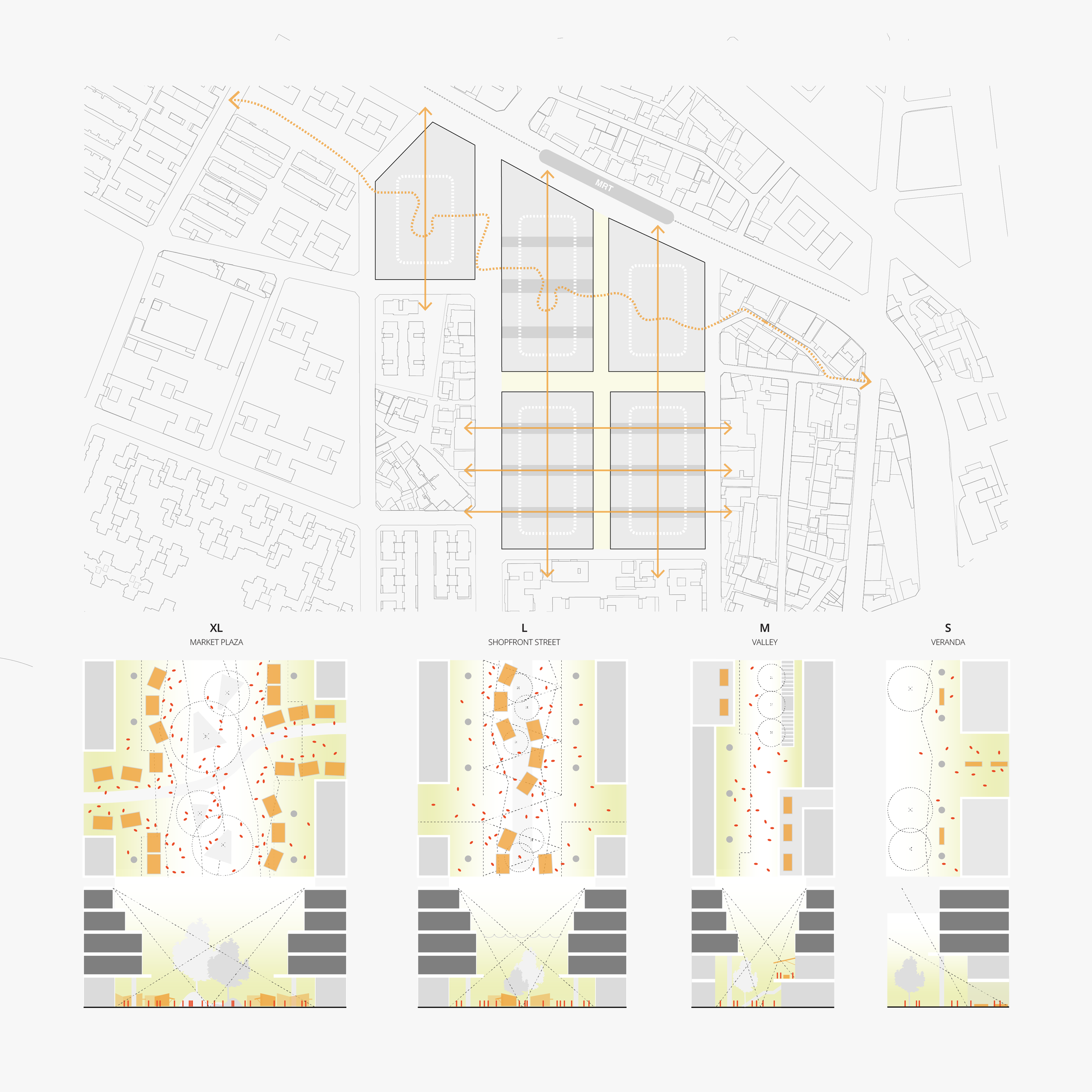
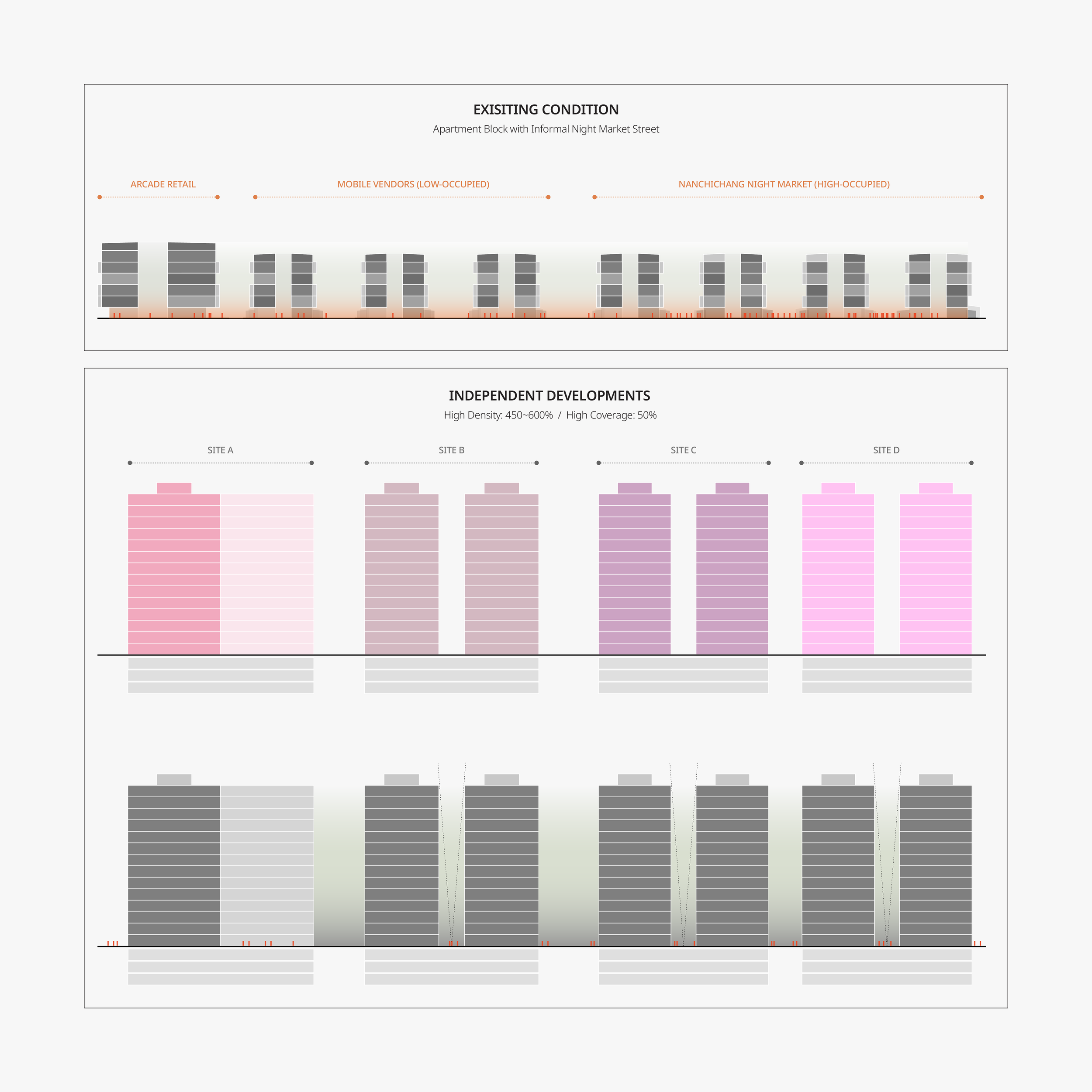
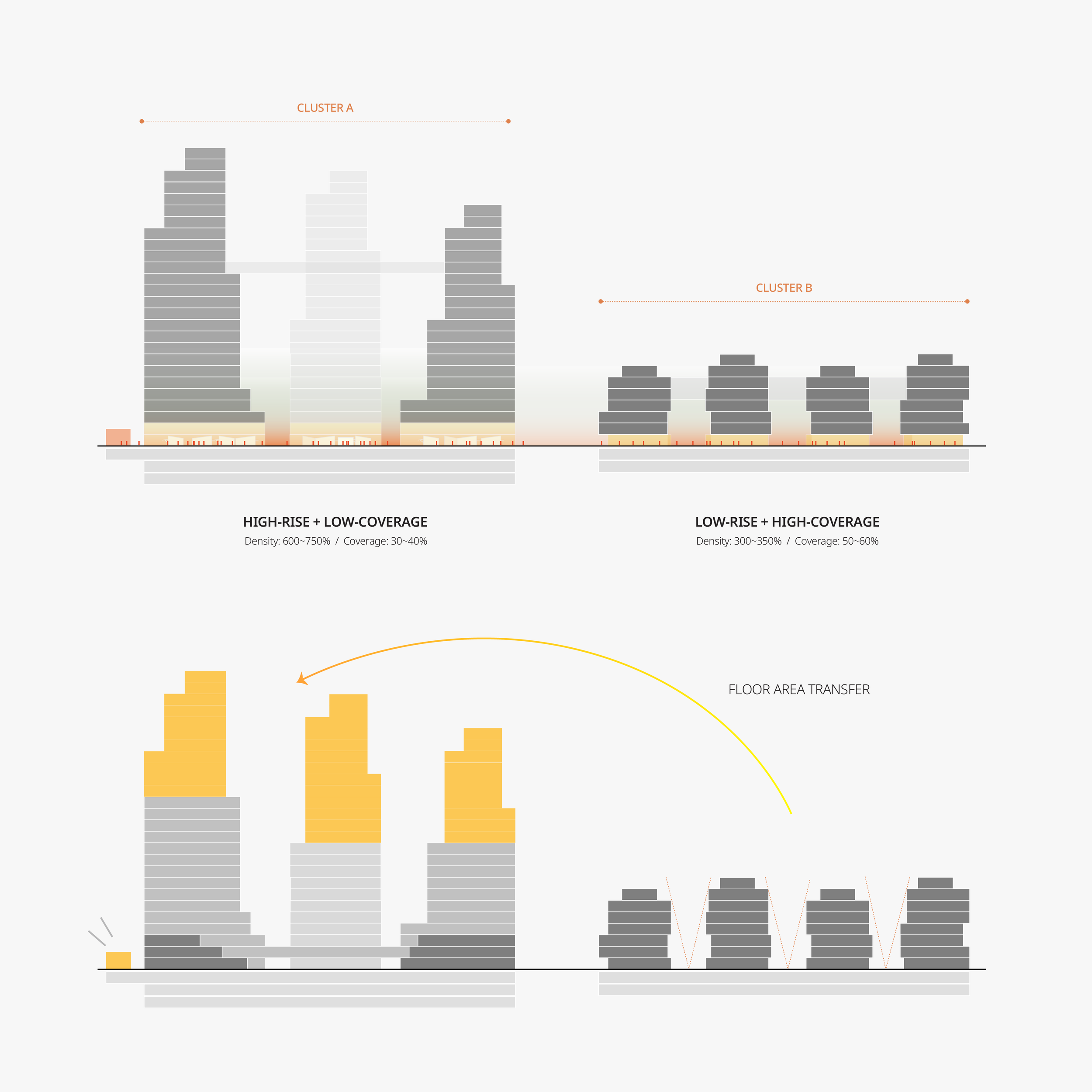
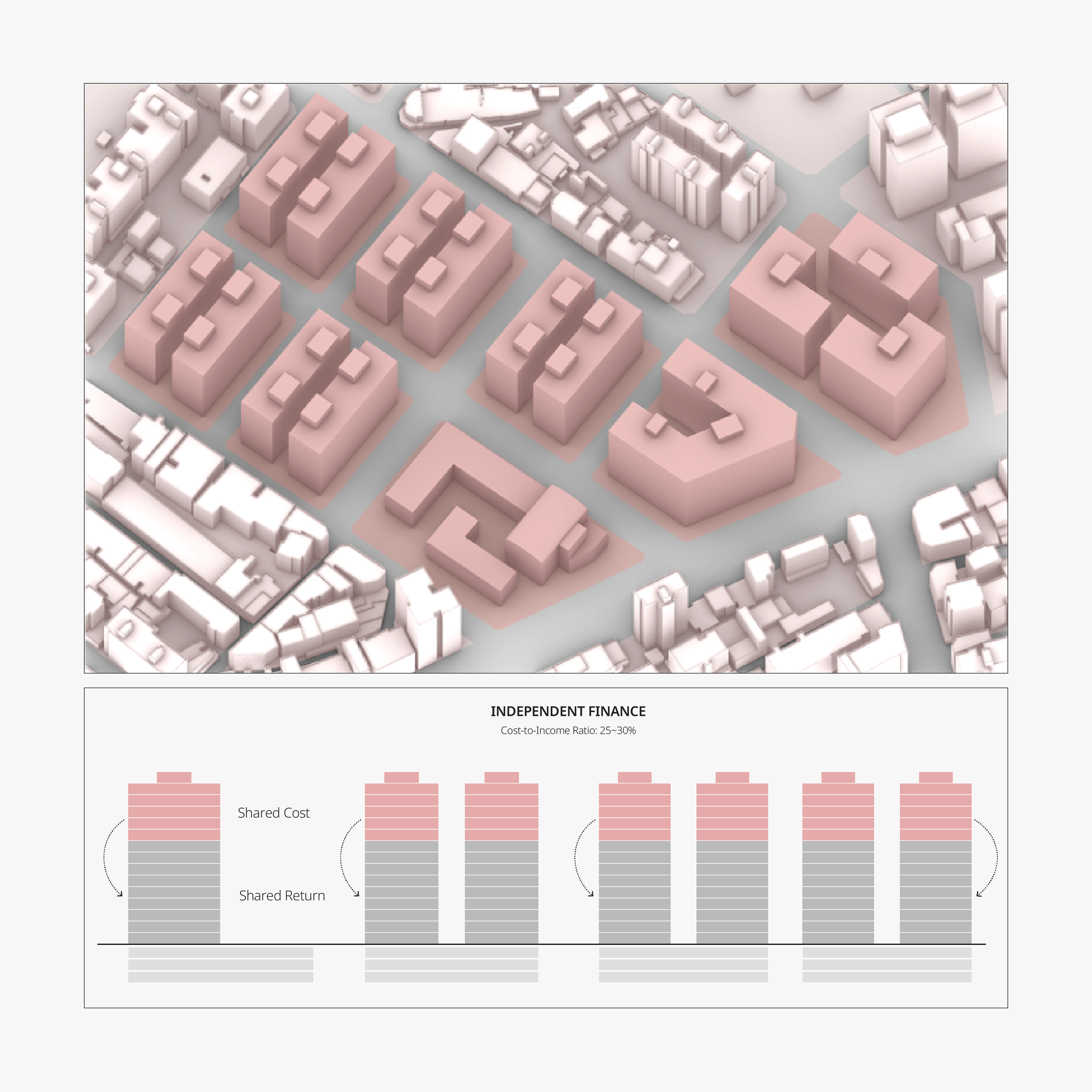
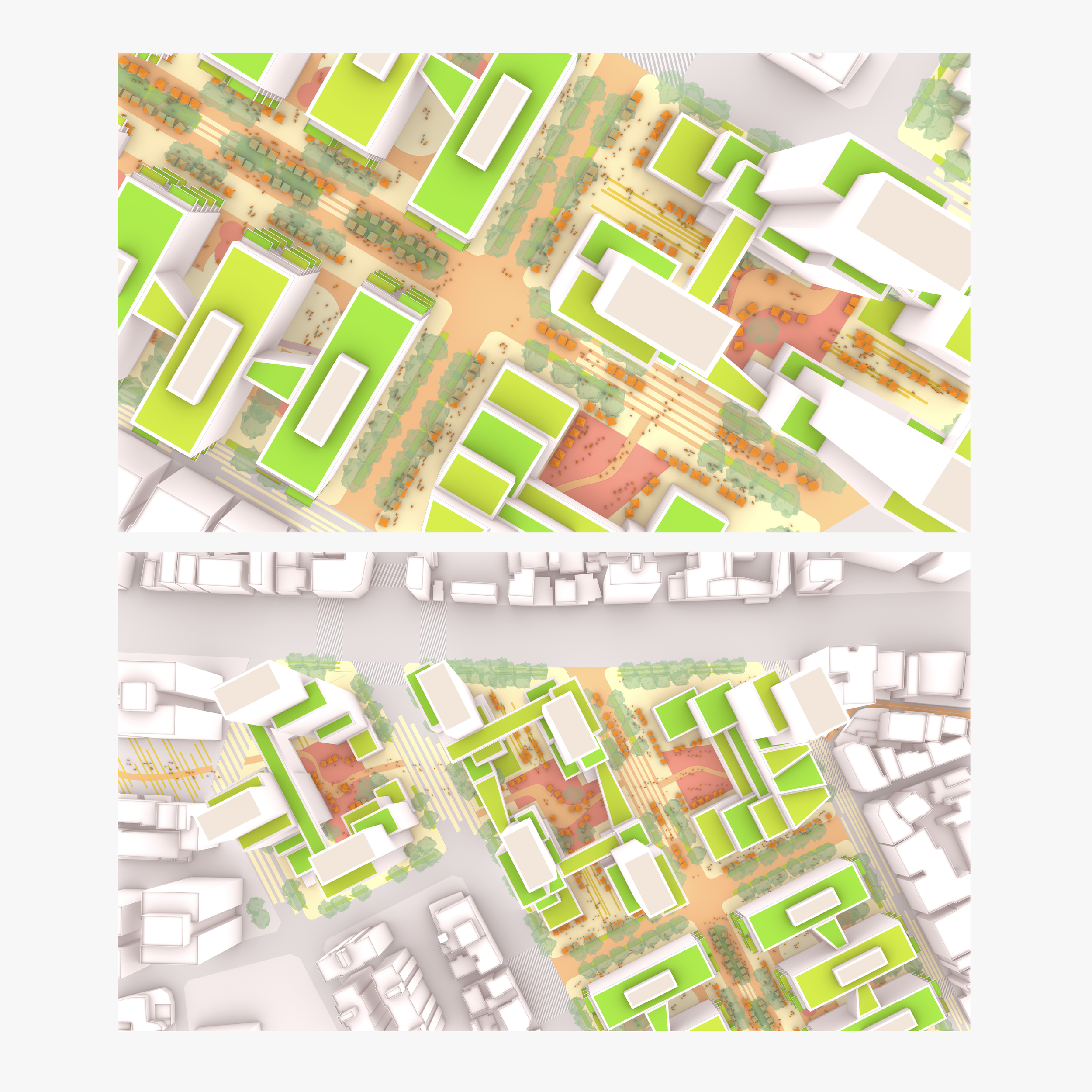
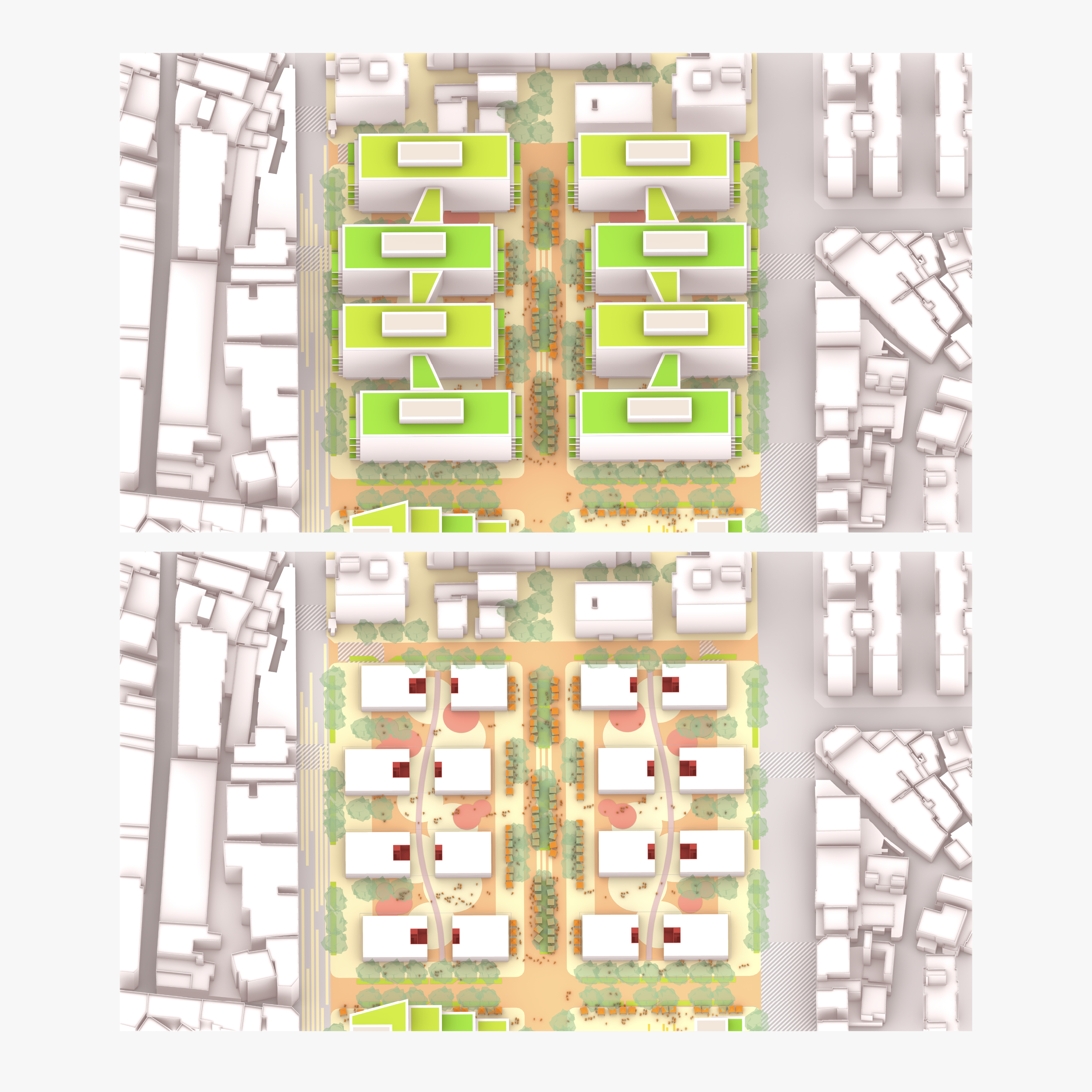
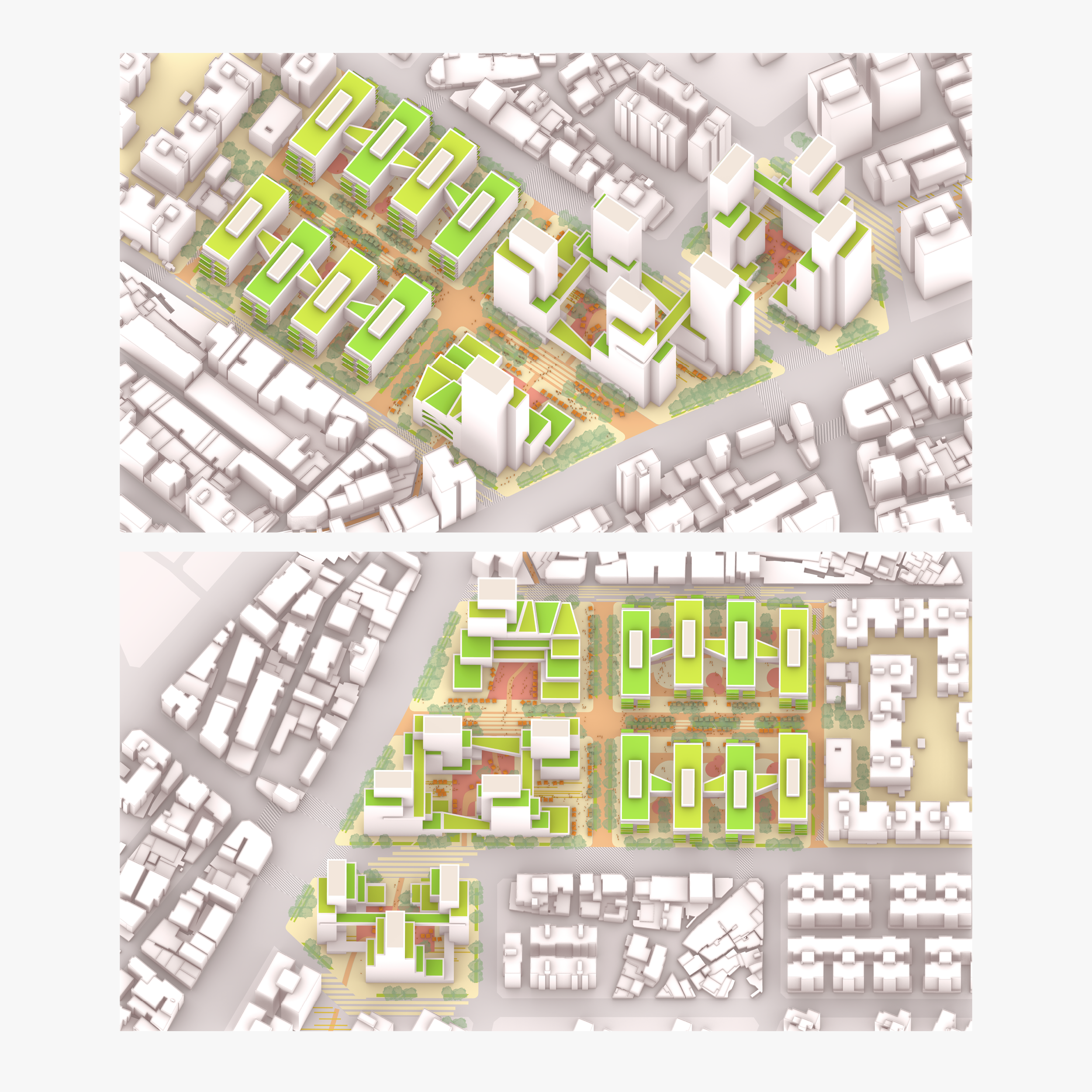
The framework is demonstrated on Taipei’s Nanjichang apartment blocks—an extremely dense, aging neighborhood where structural vulnerability and community aging intersect. By benchmarking strategies with varying clustering configurations, density distributions, and financial arrangements against current practice, the study demonstrates that markedly different redevelopment scenarios can be evaluated in the earliest phases of planning, clarifying trade-offs and enabling more transparent deliberation about more equitable and resilient renewal outcomes.
-
2026
-
Collaborative Research & Design
-
Taipei, Taiwan
-
Rafi Segal (MIT Architecture)
Stefanie Mueller (MIT CSAIL)
Kairos Shen (MIT Center of Real Estate & City of Boston)